













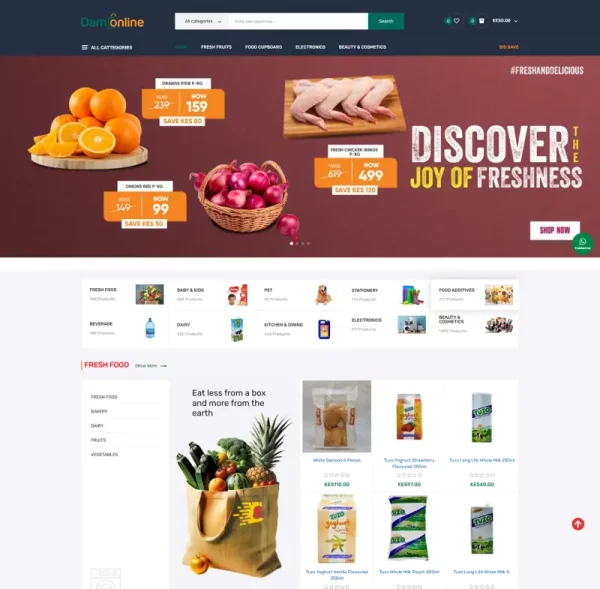

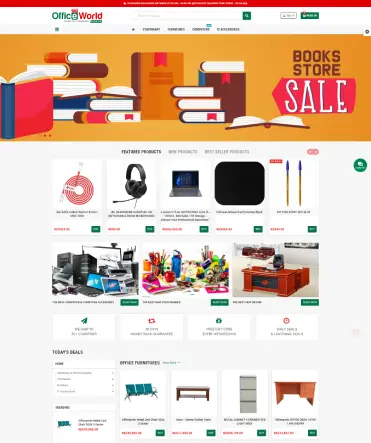

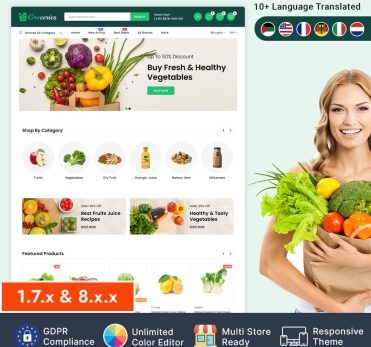




Retail in Kenya is evolving rapidly. Consumers are increasingly digital-savvy, using mobile phones and online platforms to research, compare, and purchase products. Amid this shift, virtual shopping assistants are emerging as a key tool for modern retailers. These AI-powered assistants provide personalized guidance to shoppers, helping them navigate product catalogs, find recommendations, and complete purchases quickly and efficiently.
Virtual shopping assistants are essentially digital helpers that interact with customers through websites, apps, or messaging platforms like WhatsApp. They answer queries, suggest products, and guide customers through the buying process. This level of instant, personalized service improves the customer experience, builds trust, and can increase sales conversion rates.
Why Virtual Shopping Assistants Matter for Kenyan Retailers
Kenya’s retail market includes a mix of small shops, mid-sized stores, supermarkets, and e-commerce businesses. Providing consistent customer service across all channels can be challenging, particularly for smaller teams. Virtual shopping assistants solve this problem by offering 24/7 support, helping customers with product information, availability, and recommendations.
In addition, they reduce the workload of in-store staff and call centers, allowing human employees to focus on more complex tasks while routine inquiries are handled automatically. This efficiency is particularly valuable for businesses managing multiple sales channels and large volumes of customer interactions.
Virtual assistants can also collect valuable customer data, such as preferences, buying behavior, and frequently asked questions. Retailers can analyze this information to improve inventory management, marketing campaigns, and product offerings, giving them a competitive edge in a dynamic market.

How Virtual Shopping Assistants Work
These assistants operate through AI and machine learning, often integrated with product catalogs, CRM systems, and payment platforms. When a customer interacts with the assistant, it can instantly access product details, suggest complementary items, provide pricing, and even help complete the checkout process.
Integration with mobile payments like M-Pesa and Airtel Money ensures a seamless shopping experience for Kenyan customers. Cloud-based assistants also allow businesses to manage interactions across multiple platforms, including websites, apps, and social media messaging channels.
Advanced virtual assistants use conversational AI to mimic human-like interactions, offering suggestions based on past purchases or preferences. Over time, these systems become smarter, providing increasingly personalized recommendations that enhance the shopping experience and foster customer loyalty.
Use Cases for Retailers in Kenya
Small boutiques can use virtual assistants to help customers browse products online or through WhatsApp, answering questions instantly and facilitating orders without requiring constant human intervention.
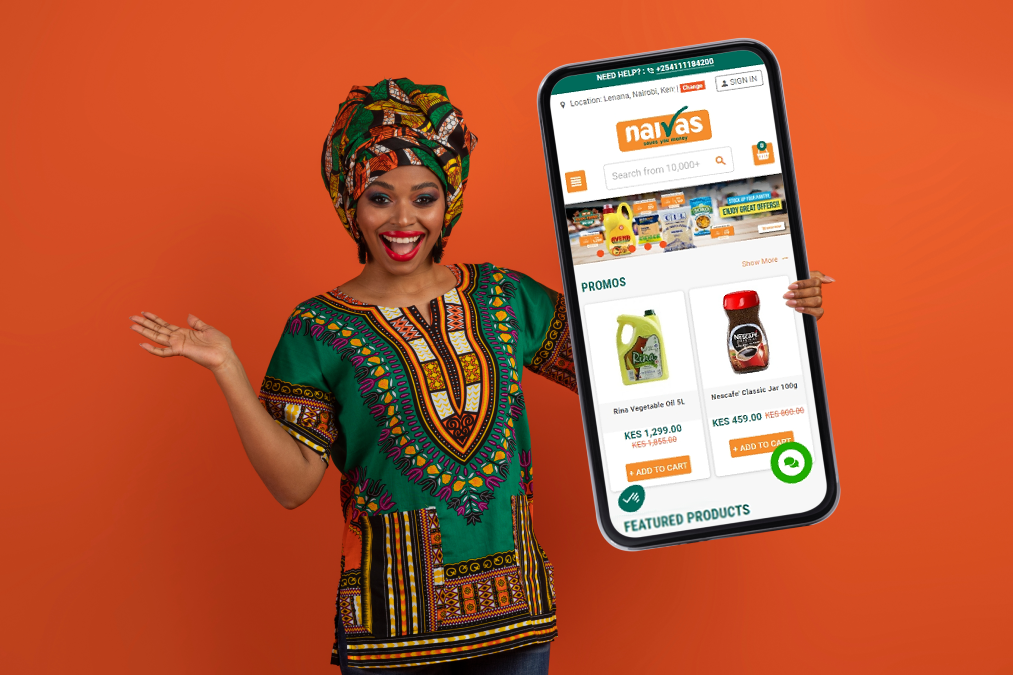
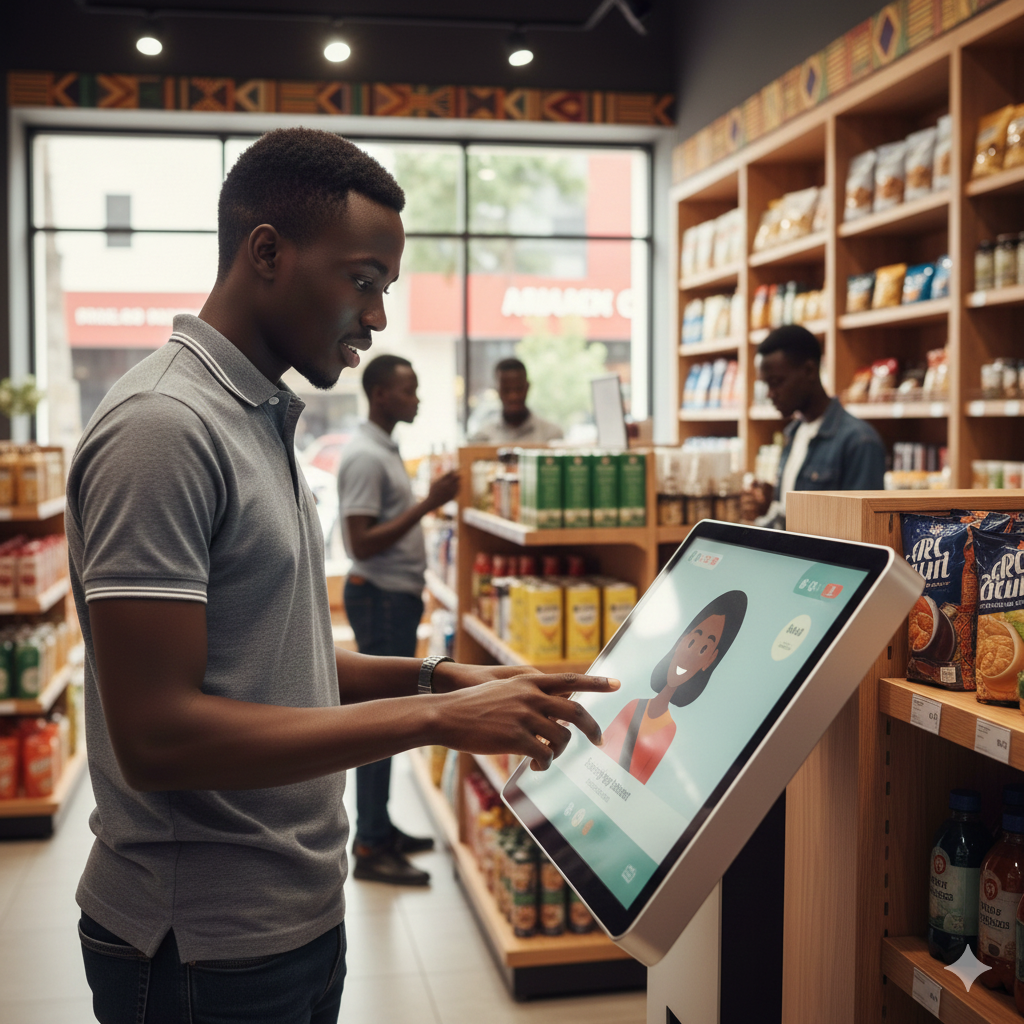
Supermarkets can integrate virtual assistants into their apps or websites to provide product availability, highlight weekly promotions, and recommend complementary items based on purchases.
E-commerce platforms benefit by guiding customers through extensive product catalogs, reducing cart abandonment, and supporting personalized marketing campaigns.
Even large multi-branch stores can use virtual assistants to standardize customer service across locations, ensuring that every shopper receives consistent, high-quality guidance regardless of where or how they shop.
Why Partner with E-Startups Kenya
E-Startups Kenya provides tailored solutions for implementing virtual shopping assistants in retail businesses across Kenya and Africa. Our platforms integrate with product catalogs, CRM systems, inventory management tools, and mobile payment systems like M-Pesa and Airtel Money.
We design assistants that work across websites, apps, and messaging platforms, providing a seamless and engaging experience for customers. Our solutions also include analytics dashboards that help retailers understand customer behavior, track inquiries, and measure the effectiveness of recommendations.
Partnering with E-Startups Kenya ensures that your retail business leverages AI-powered virtual assistants to enhance customer service, increase efficiency, and drive sales growth.
FAQs
What is a virtual shopping assistant?
A virtual shopping assistant is an AI-powered tool that guides customers through the shopping process, providing product information, recommendations, and checkout assistance.
Can small retailers in Kenya use them effectively?
Yes. Even small shops and boutiques can use virtual assistants through WhatsApp, websites, or apps to improve customer service and boost sales.
Do virtual assistants integrate with mobile payments?
Absolutely. They can be linked with M-Pesa, Airtel Money, and bank payments for seamless transactions.
Do virtual assistants collect customer data?
Yes. They gather insights on preferences, buying behavior, and frequently asked questions, helping retailers improve marketing and inventory decisions.
Are virtual assistants expensive to implement?
Costs vary depending on scale, but the efficiency, improved customer experience, and increased sales often outweigh the investment.
Conclusion and Call to Action
Virtual shopping assistants are transforming retail in Kenya by providing personalized, efficient, and 24/7 customer support. They help retailers reduce workload, increase sales, and gain valuable insights into customer behavior.
Partner with E-Startups Kenya to implement AI-powered virtual shopping assistants that integrate with your retail systems, product catalogs, and mobile payments. Enhance your customer experience, streamline operations, and stay ahead in Kenya’s modern retail landscape.

