














Retail in Kenya is transforming fast. What used to be mostly small dukas and informal shops is evolving into a mix of modern supermarkets, online stores, and tech-enabled marketplaces. As consumer behaviour shifts and digital tools become the norm, smart retail analytics is emerging as a key enabler for companies that want to stay competitive. For Nigerian and Kenyan retailers alike, using data and AI to understand customers, manage inventory, and streamline operations is no longer optional — it is essential.
In this blog post we explore why smart retail analytics matters for Kenya, what tools and processes power it, how small and large businesses can benefit, and why partnering with a firm like E-Startups Kenya can make the difference between struggling and thriving.
Why Smart Retail Analytics Matters for Retailers in Kenya
Kenya’s retail landscape is undergoing rapid transformation. According to a recent report by DHL, the country’s retail sector is shifting from informal dukas to modern retail formats including supermarkets, malls, and e-commerce platforms. DHL+2Africa Business News+2
E-commerce and online retail are on the rise. A 2024 market report estimates that Kenya’s e-commerce Gross Merchandise Value (GMV) is on track to grow significantly by 2028 compared to 2023. Informer East Africa+1
Meanwhile, mobile penetration remains extremely high — most Kenyans use mobile phones and mobile money platforms such as M-Pesa and Airtel Money, making digital payments and online shopping accessible across both urban and rural areas. Trade.gov+1
In this environment, traditional retail strategies fall short. Without data, retailers risk over-stocking or running out of popular goods, mispricing products, missing opportunities for cross-sales, or failing to deliver the convenience expected by a growing digitally-savvy customer base.
Smart retail analytics offers a solution. By harnessing data from sales, payments, customer interactions and inventory, retailers can understand customer habits, demand trends, peak shopping times and purchasing power. This empowers them to make smarter decisions.
Studies show that in Africa, and particularly in Kenya, retailers that adopt AI-powered analytics tend to improve their efficiency, reduce waste, and deliver better customer experiences. SAP News Center+2Business Radar+2
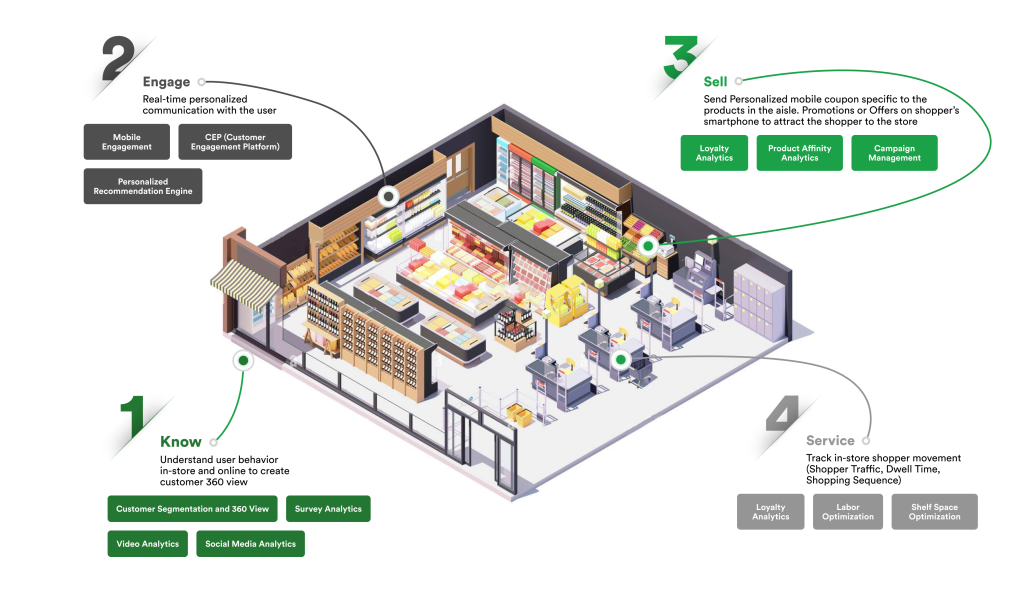
What Drives Smart Retail Analytics — Tools and Processes
Smart retail analytics works by collecting various types of data across retail operations and feeding them into analytical systems. These systems might employ cloud-based databases, AI models, predictive analytics, CRM systems, and integration with payment and point-of-sale platforms.
One of the most powerful enablers is linkage with mobile payment data. When a purchase is made through M-Pesa or Airtel Money, the system records not just the amount but customer details, frequency, and item categories. This data becomes a goldmine for understanding purchasing patterns and customer segments.
On top of that, artificial intelligence and machine learning models help forecast demand, predict which items will sell out, suggest when to reorder stock, and even bundle complementary products together to drive upsales. oracle.com+2TechCentral+2
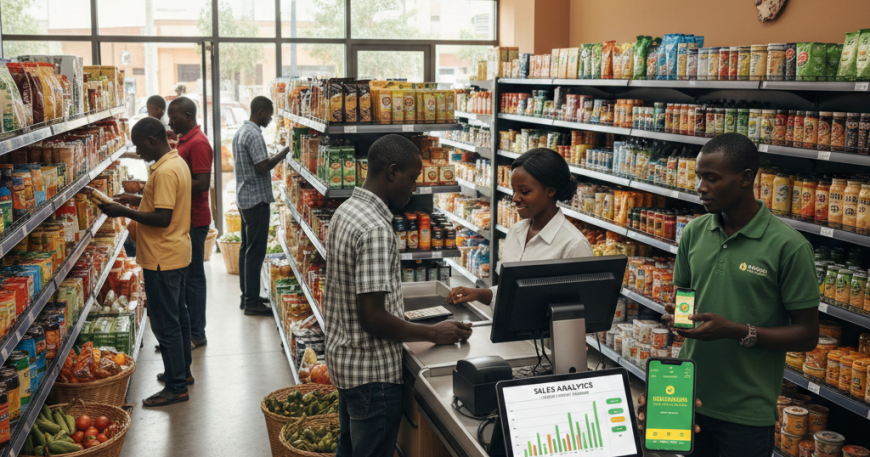
Some advanced systems even integrate Internet of Things (IoT) sensors or smart point-of-sale terminals to track foot traffic, in-store purchases, and customer behaviour in physical stores. This can help bricks-and-mortar retailers adapt the “digital brain” approach — combining both in-store and online signals for a full view of their business. Research and Markets+1
Cloud-based retail suites help unify data from multiple channels — physical stores, online shop, mobile payments and logistics — enabling real-time dashboards that managers and decision-makers can use to respond quickly to shifts in demand. SAP News Center+1
How Kenyan Businesses — Big and Small — Stand to Benefit
Whether you are running a small kiosk in Nairobi, a mid-sized supermarket, or a growing e-commerce brand, smart retail analytics offers meaningful advantages.
A small shop owner can benefit by knowing exactly which products move faster and at what times. This helps avoid stockouts or overstock that ties up capital. It also gives clarity on when to source stock and how to manage cash flow.
A mid-sized supermarket can use analytics to optimize pricing strategies, especially for perishable goods, adjusting prices by demand or season. They can bundle fast-moving items with slower ones, run targeted promotions based on purchasing patterns, or even deploy loyalty programs tailored to customers’ history.
E-commerce stores stand to gain even more. With high mobile and internet adoption, they can combine payment data, browsing patterns, demographics and purchase history to create personalised shopping experiences. By using analytics-driven recommendations and predictive stocking, these online stores can reduce cart abandonment, improve customer satisfaction and drive repeat purchases.
Large retail chains or multi-branch stores can use analytics to manage inventory across branches, forecast demand per region, adjust supply chain operations, and predict peak demand periods. The result can be fewer stockouts, waste reduction, optimized staffing and improved operational margins.
In Africa and Kenya specifically, retailers using analytics and AI report improved efficiency in stock handling, supply chain coordination, and marketing ROI. SAP News Center+2Business Radar+2
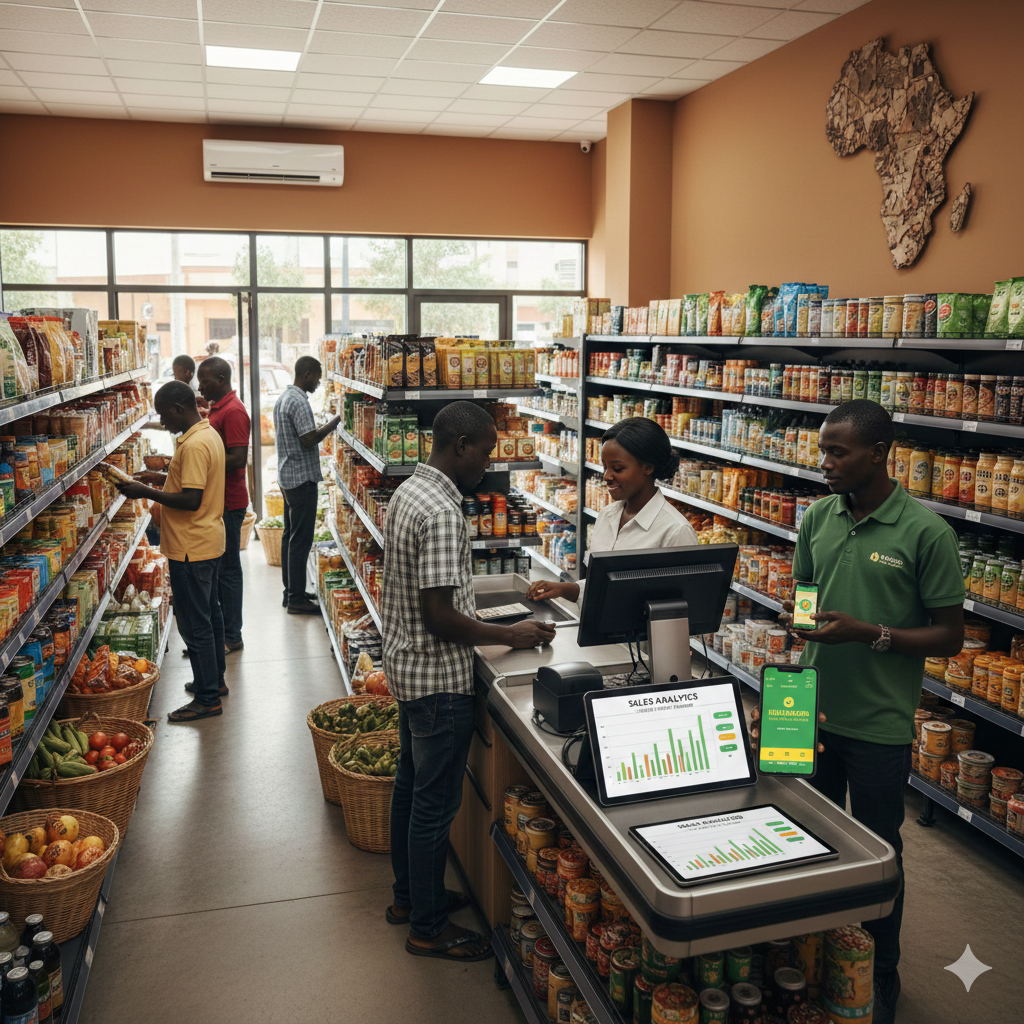
Why Partner with E-Startups Kenya for Smart Retail Analytics
At E-Startups Kenya we understand that the shift from traditional retail to data-driven retail is not just a technical upgrade — it is a transformation of mindset, business processes and customer relationships.
We offer customised solutions for retail businesses across Kenya and Africa. Whether you need to build a user-friendly e-commerce platform, integrate payment systems like M-Pesa or Airtel Money, or deploy AI-powered analytics and inventory management, we have the expertise.
Our cloud and CRM systems enable seamless integration of point-of-sale data, online orders, mobile payments and customer interactions. This gives you a unified view of your retail business, whether online or in-store.
We also tailor mobile-first solutions, recognising that many Kenyan consumers browse and pay on their phones. This includes mobile apps, USSD or WhatsApp commerce and smart dashboards optimised for mobile devices.
Because we work across sectors — from retail and e-commerce to logistics and fintech — we can help retailers not just adopt analytics but also refine operations across supply chain, payments, marketing and customer service.
Partnering with us means you don’t just get software — you get a partner who understands the Kenyan market, local payment systems, customer behaviours and the infrastructure needed for growth across Africa.
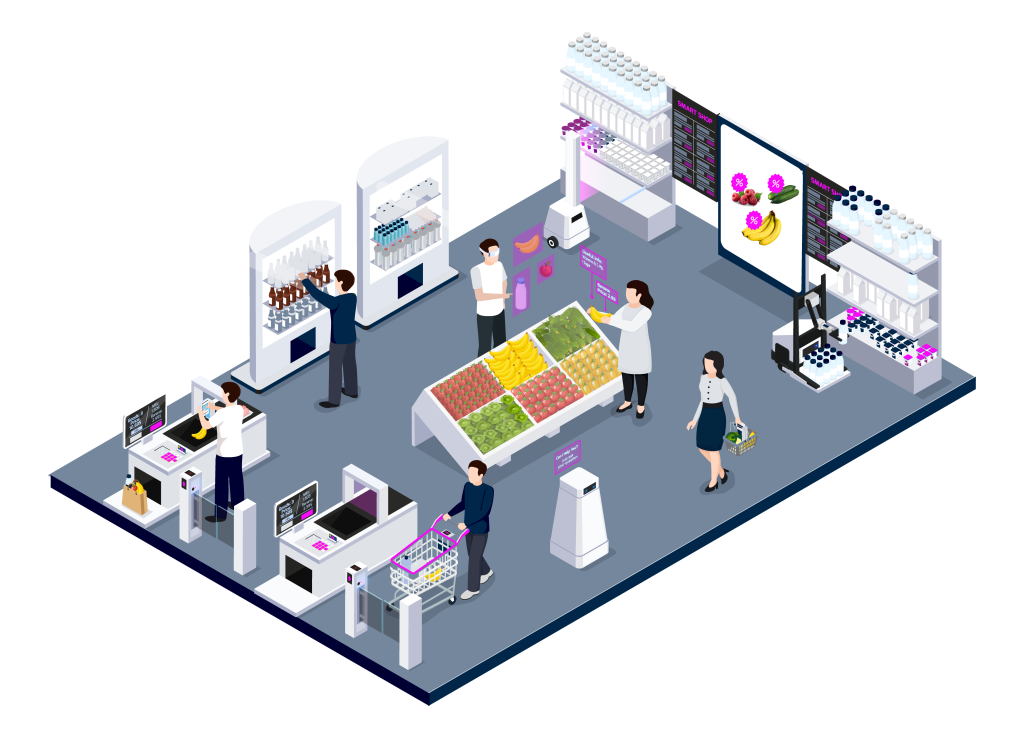
FAQs About Smart Retail Analytics in Kenya
What is “smart retail analytics”?
Smart retail analytics refers to the use of data, analytics tools, and often artificial intelligence to collect, analyze and act on retail data. This includes sales data, payment data, customer behaviour, inventory levels, foot traffic, and more. The aim is to turn raw data into actionable insights that help make business decisions like pricing, stock orders, marketing, customer engagement and supply chain planning.
Can small shops in Kenya benefit from smart retail analytics or is it only for big supermarkets?
Definitely small shops can benefit. For example, a kiosk or a small duka can use simple analytics tools to track which products sell fastest, at which times, and which sell poorly. This helps in managing stock, avoiding waste, and improving cash flow. Mobile-first analytics solutions make it affordable and accessible even for micro and small traders.
Is it expensive to implement smart retail analytics?
Cost depends on the scale and tools required. Simple analytics integrated with mobile payments or point-of-sale systems can be affordable for small or medium enterprises. For larger retailers, cloud-based suites offer scalable pricing. Over time, the return on investment can outweigh the cost through reduced waste, better stock management, improved sales, and enhanced customer satisfaction.
How does smart retail analytics handle data privacy and customer trust?
With increased use of customer data and AI, data privacy becomes critical. Retailers must ensure that customer data — including payment details, purchase history, and demographic information — is handled securely and transparently. Solutions should comply with local data protection regulations. Working with a trusted firm that implements best practices in data handling is essential.
Is smart retail analytics just for online shops or can it work for physical stores too?
It works for both. For online shops, analytics can track user browsing, payments, purchase history and shipping. For physical stores, analytics can use data from point-of-sale systems, mobile payments, and even IoT sensors or foot-traffic metrics to understand customer behaviour, stock movement, peak hours and more. The key is integrating all data channels for a unified view.
Conclusion and Call to Action
The future of retail in Kenya is smart, data-driven, and digital. As more consumers shift to online shopping and mobile payments, retailers that embrace analytics will gain a competitive edge. Whether you run a small duka, a mid-size store, a supermarket, or an online shop, smart retail analytics can help you better understand your customers, manage inventory, optimize pricing, and scale sustainably.
If you are ready to take your retail business to the next level and leverage data-driven insights, partner with E-Startups Kenya. We provide tailored e-commerce, payment integration, AI analytics, cloud and CRM, and mobile-first solutions built for the Kenyan and African market. Reach out today to start your journey towards smarter, more profitable retail.

