











The rise of digital shopping in Kenya has reshaped how consumers discover, compare and buy products. More shoppers now prefer online platforms that offer convenience, clear pricing and fast delivery. For businesses, this shift creates an opportunity to serve customers directly through a well structured B2C marketplace. A modern B2C platform allows brands and retailers to showcase products, process payments smoothly and build trust with both new and returning customers.
Why B2C Marketplaces Matter for African Businesses
Consumers across Africa are becoming more comfortable with online shopping especially with the growth of mobile money and widespread smartphone use. In Kenya, most digital purchases are driven by convenience and the ability to compare options instantly. Traditional shops face challenges such as limited reach, high operational costs and restricted working hours. A B2C marketplace overcomes these limitations by offering a central digital space where customers can browse products anytime from any location.
For businesses, the benefits are even more significant. A marketplace provides data on customer behavior, purchase patterns and product performance. This helps brands make informed decisions about pricing, inventory and marketing strategy. Customers enjoy a better experience through secure payments, fast checkout and delivery transparency. As competition increases in sectors like beauty, fashion, electronics and home goods, a B2C marketplace gives businesses the structure and reach they need to grow.
Core Tools Behind B2C Marketplace Development
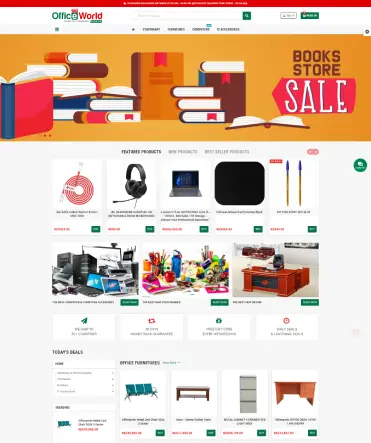
A strong B2C marketplace depends on several coordinated tools. Product catalogs present items clearly with images, prices and descriptions. Payment integration supports M Pesa, Airtel Money, card payments and bank transfers. Inventory management helps sellers avoid overselling and ensures accuracy.
Customer management systems track order history, preferences and shopping patterns which makes personalization possible. Delivery integrations connect to couriers and allow customers to track their orders easily. Review and rating systems build trust by showing real feedback.
Analytics dashboards show purchasing trends, best performing products and areas that need improvement. AI features enhance the marketplace through tailored recommendations, smart search and automated support. All these tools work together to create a reliable customer experience.
Use Cases in Kenya and Africa
Many industries benefit from B2C marketplace development. Kenyan fashion brands can showcase their latest collections, allow size filtering and integrate nationwide delivery. Electronics shops can list verified products with warranty details. Beauty and skincare retailers can use customer reviews to increase trust.
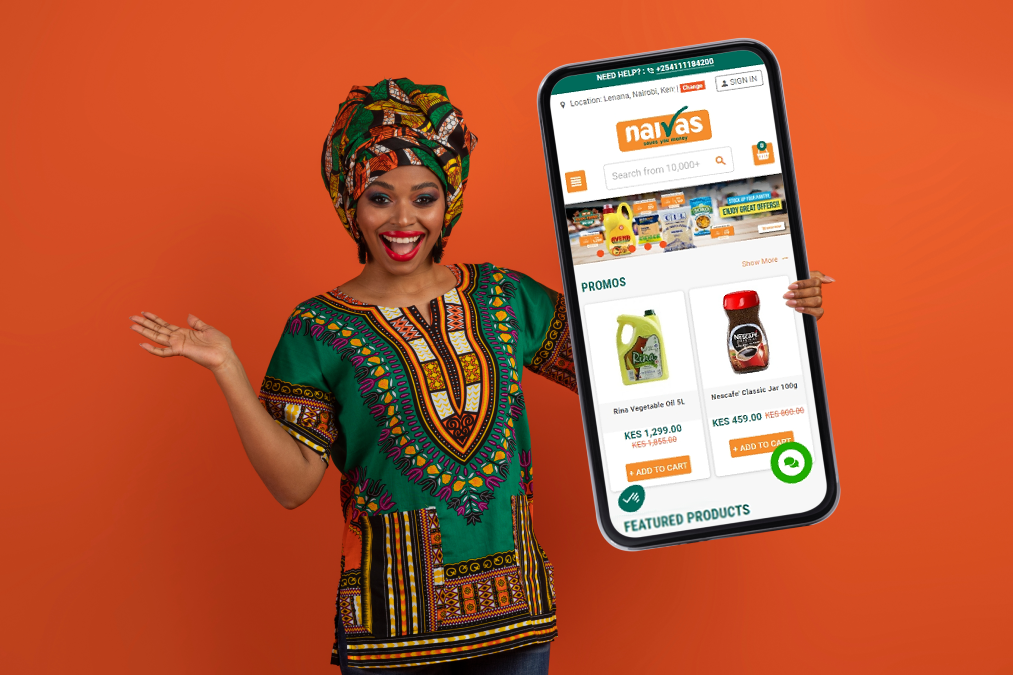
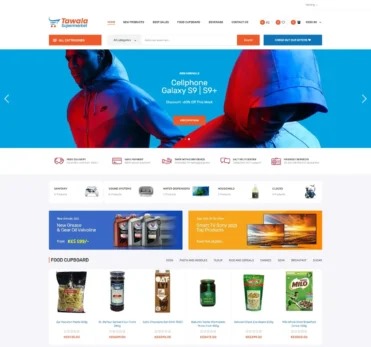
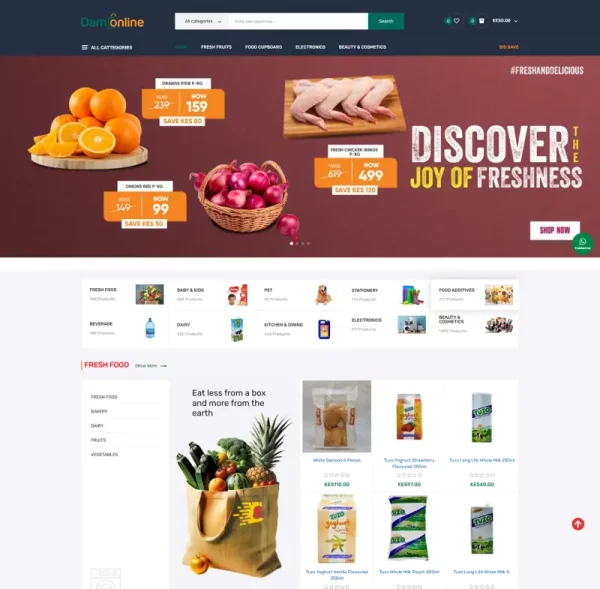
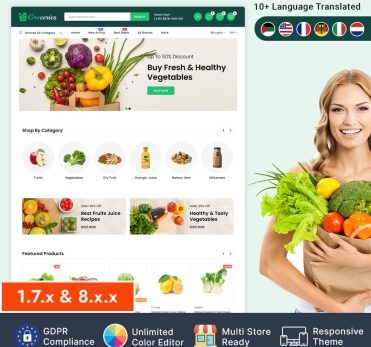
Supermarkets can offer online grocery shopping with scheduled delivery. Home and lifestyle stores can sell furniture, decor and appliances with clear specifications. Food producers and farmers can sell fresh products directly to consumers without going through middlemen.
Startups and SMEs especially benefit because a marketplace gives them a professional storefront, marketing support and nationwide reach without needing a physical expansion plan. Cross border options allow Kenyan brands to reach buyers in Uganda, Tanzania, Rwanda and other African markets easily.
How E Startups Kenya Supports B2C Marketplace Development
E Startups Kenya builds full B2C marketplace solutions tailored to the Kenyan market. Our team creates mobile first platforms that support quick browsing, secure checkout and real time order updates. We integrate M Pesa, Airtel Money and card payments to ensure smooth transactions for customers.
We include CRM systems, inventory tools, seller dashboards, logistics integration and AI powered personalization features. Security is a priority, and we ensure customer data and payment details remain protected. Our hosting solutions support high traffic and fast loading speeds to keep customers engaged.
We also provide product SEO, analytics, onboarding support and ongoing maintenance to ensure your marketplace continues to grow and remain competitive.
FAQs
Can a B2C marketplace handle many sellers and products
Yes. Our marketplaces scale easily as your business grows.
Can customers pay using M Pesa
Yes. We integrate mobile money, cards and bank options for convenience.
Is delivery tracking included
Yes. We connect logistics partners for real time tracking.
Does a B2C marketplace need a mobile app
A mobile app is useful but not mandatory. A mobile optimized website works effectively in Kenya.
Conclusion
B2C marketplaces are shaping the future of online shopping in Kenya. They help businesses reach more customers, improve sales and offer convenient experiences that build loyalty. With the right technology and support, brands can grow faster and stand out in a fast moving digital market.
Call to Action
Reach out to E Startups Kenya today and let us build a powerful B2C marketplace that connects your products to customers nationwide through a fast, secure and mobile friendly platform.

