




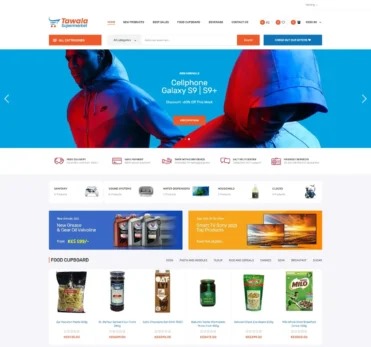
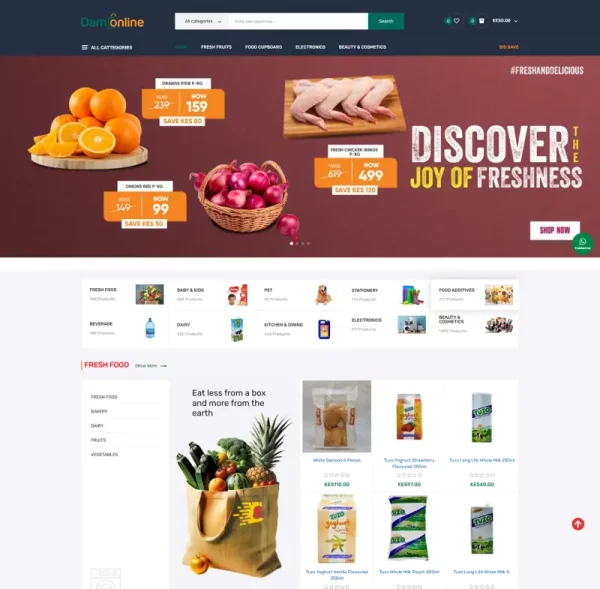
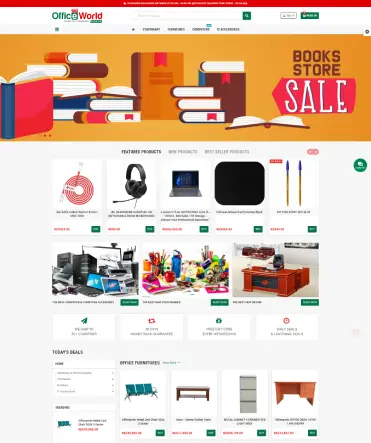

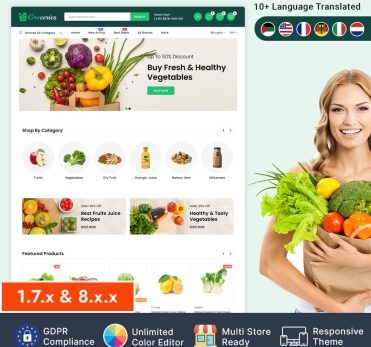




Direct to Consumer (D2C) marketplaces are transforming how Kenyan brands reach customers. By bypassing intermediaries, businesses can sell products directly, maintain pricing control, and build stronger relationships with buyers. For brands in fashion, electronics, food, and wellness, a D2C marketplace ensures better margins, faster feedback, and a more personalized shopping experience.
Why D2C Marketplaces Matter for Kenyan Businesses
Traditional retail in Kenya often involves distributors, wholesalers, and multiple middlemen, which increases costs and reduces profit margins. D2C marketplaces allow brands to connect directly with their consumers while providing data on buying patterns, preferences, and behavior.
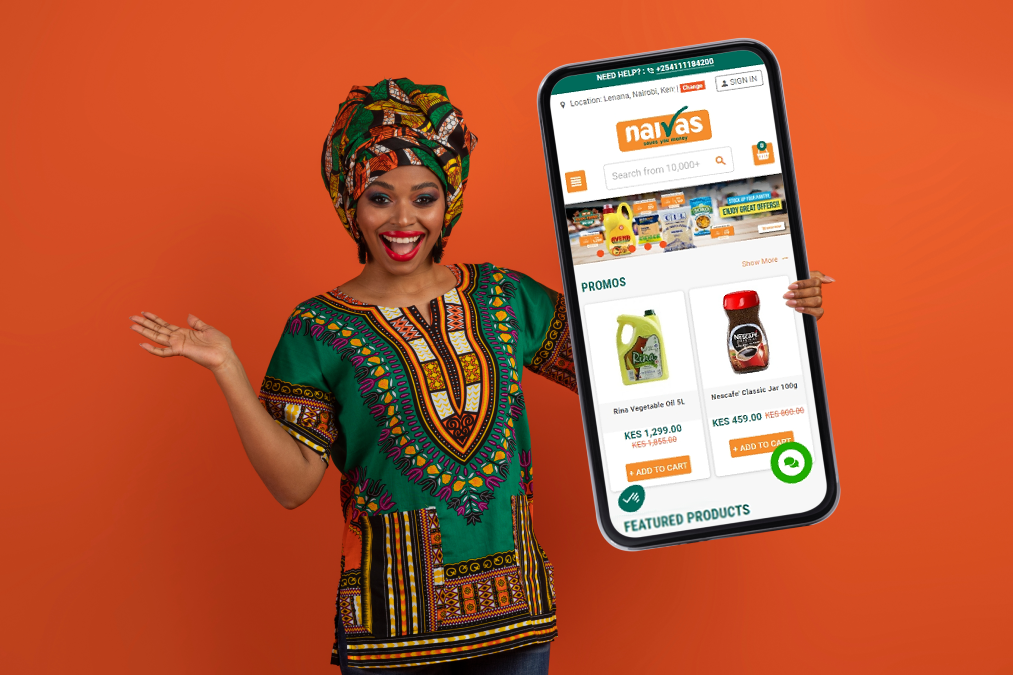
The rise of mobile commerce and social shopping in Kenya makes D2C platforms even more valuable. Consumers increasingly prefer convenience, fast delivery, and payment flexibility via M Pesa, Airtel Money, or card payments. A D2C approach gives brands the control to optimize these experiences.
Core Tools Behind D2C Marketplaces
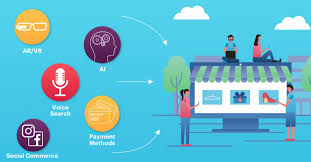
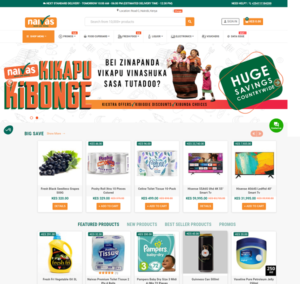
A successful D2C marketplace combines several key systems. Product catalogs allow for clear listings, real-time inventory updates, and promotional features. Integrated payment systems, including M Pesa, Airtel Money, and card options, ensure smooth checkout. Customer management dashboards track behavior, order history, and engagement to allow for personalized marketing.
Logistics integration ensures timely delivery and tracking. Analytics tools provide insights on popular products, conversion rates, and consumer trends. AI powered recommendations and automated notifications enhance customer engagement and retention.
Use Cases in Kenya and Africa
Kenyan fashion brands can sell directly to customers nationwide through mobile optimized D2C platforms. Electronics stores can offer warranty registration, instant payments, and delivery tracking to improve trust. Food and beverage producers can manage subscriptions or bundle offers directly to end consumers.
D2C platforms also allow small startups to compete with larger companies by providing professional storefronts, integrated marketing tools, and seamless payment systems. Cross border D2C enables African brands to reach customers in neighboring countries with lower operational friction.
How E Startups Kenya Supports D2C Marketplace Development
E Startups Kenya builds complete D2C marketplaces tailored to Kenyan and African markets. We design mobile first platforms with integrated payment gateways, inventory management, logistics tracking, CRM systems, and AI driven customer engagement.
Our team ensures security, transparency, and scalability while maintaining a user friendly interface. Brands can manage products, track sales, and analyze customer data efficiently. We also provide support and training for staff to optimize operations and grow the business effectively.
FAQs
Can small brands use D2C marketplaces
Yes. D2C platforms scale from startups to large businesses.
Do D2C marketplaces support M Pesa payments
Yes. Payment integration ensures smooth transactions for Kenyan customers.
Can D2C platforms handle cross border sales
Yes. Platforms can accept multiple payment methods and handle international deliveries.
Is technical expertise needed to run a D2C marketplace
No. E Startups Kenya builds user friendly systems with ongoing support and training.
Conclusion
D2C marketplaces empower Kenyan businesses to sell directly to consumers, increase profit margins, and strengthen brand loyalty. The digital shift is an opportunity for brands to grow efficiently while offering superior customer experiences.
Call to Action
Contact E Startups Kenya to develop your D2C marketplace and connect directly with your customers through a secure, mobile first, and data driven platform.

