















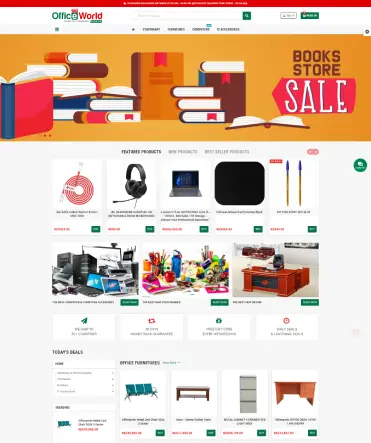






The e-commerce space in Kenya is evolving beyond traditional buying and selling. Rental e-commerce is gaining traction as more consumers prefer temporary access to products instead of owning them. From electronics and furniture to cars and event equipment, rental platforms offer convenience, affordability, and flexibility. For businesses, this model opens new revenue streams and builds long-term customer relationships.
However, running a rental e-commerce platform comes with challenges. Businesses must manage inventory, track returns, process payments, and ensure products are in good condition. Without a robust system, operations become chaotic, leading to unhappy customers and lost revenue. This is where professional e-commerce support and automation become critical.
Why Rental E-commerce Matters in Kenya
Kenya’s growing middle class and urban population are fueling demand for rental services. Many consumers prefer renting high-value items like cameras, sound systems, or vehicles rather than purchasing them outright. This trend is supported by the widespread use of mobile payments like M-Pesa and Airtel Money, which make transactions fast and convenient.
Rental e-commerce platforms also help businesses maximize asset utilization. Instead of letting products sit idle, companies can generate continuous income. Analytics from these platforms provide insights into popular items, peak rental periods, and customer behavior, enabling smarter decision-making.
Key Features of Rental E-commerce Platforms
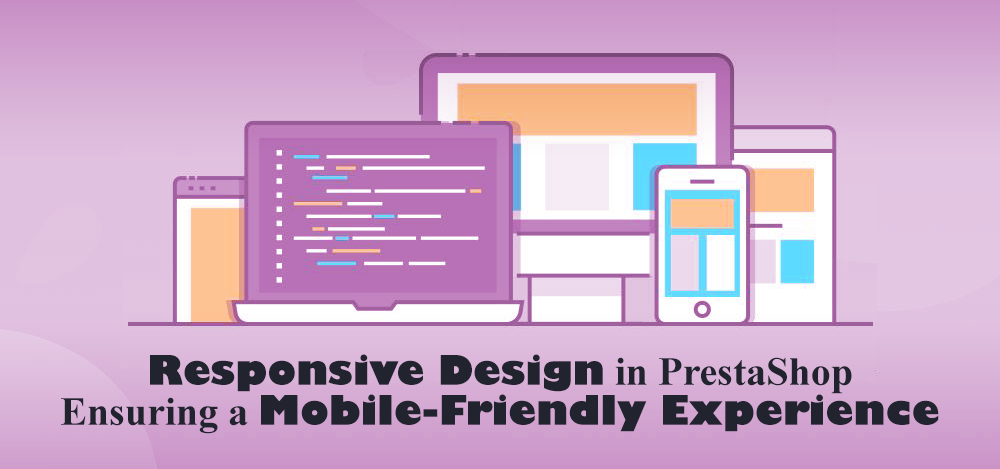
A successful rental e-commerce platform needs accurate inventory management, real-time availability tracking, secure payment integration, and seamless booking systems. Mobile optimization is essential as most Kenyan consumers access online services via smartphones. Customer notifications, automated reminders for returns, and rating systems enhance user experience and trust.
AI and automation can further optimize operations by predicting demand, suggesting pricing adjustments, and flagging maintenance needs for rental items. Integration with CRM systems helps maintain communication with customers and encourages repeat rentals.
Business Use Cases in Kenya
A Nairobi-based electronics rental service uses a digital platform to manage cameras and projectors. Customers can view availability, reserve products, and pay via M-Pesa. Automated reminders ensure timely returns, while analytics track popular items to guide procurement decisions.
A furniture rental company in Mombasa uses a similar system to manage stock across multiple locations, schedule deliveries, and process payments online. By digitizing operations, the company reduced errors, improved customer satisfaction, and increased revenue.
Even small startups benefit. A wedding equipment rental business can reach a wider audience, streamline bookings, and manage logistics efficiently with an online platform, turning what would be manual chaos into smooth operations.
How E-Startups Kenya Supports Rental E-commerce
E-Startups Kenya develops custom rental e-commerce solutions tailored to Kenyan businesses. From inventory management to mobile-first booking systems and M-Pesa integration, we provide end-to-end support. AI-powered analytics helps predict demand, optimize pricing, and improve operational efficiency.
We also provide training and ongoing maintenance to ensure smooth operations. Businesses gain reliable systems, data-driven insights, and a platform that scales as demand grows. Our solutions empower companies to focus on customer service and growth instead of manual processes.
Frequently Asked Questions
Can small businesses start a rental e-commerce platform
Yes. Scalable cloud-based platforms make it affordable for startups and SMEs.
How do payments work for rentals in Kenya
Platforms integrate mobile payments like M-Pesa and Airtel Money for secure, instant transactions.
Is inventory management important
Absolutely. Real-time tracking ensures items are available, properly maintained, and returned on time.
Can AI help with rental operations
Yes. AI predicts demand, optimizes pricing, and alerts businesses about maintenance or popular items.
How long does it take to launch a rental e-commerce platform
Depending on complexity, a basic platform can be ready in a few weeks, while larger systems may take months.
Conclusion and Call to Action
Rental e-commerce is redefining how Kenyans access products while opening new revenue opportunities for businesses. Efficient platforms increase convenience, improve customer experience, and optimize operations.
E-Startups Kenya helps businesses develop tailored rental e-commerce platforms with mobile-first designs, secure payment systems, inventory management, and AI-driven insights. Contact us today to launch or enhance your rental e-commerce business and stay ahead in Kenya’s digital market.

