






















Walk into any busy supermarket or retail store in Nairobi, Kisumu, or Mombasa, and you will notice a common challenge many business owners quietly struggle with—sales reconciliation. After a long day of transactions through cash, M-Pesa, and card payments, teams stay late cross-checking numbers, confirming entries, and identifying mismatches. What should take minutes often drags on for hours. This routine process, known as manual sales reconciliation, might seem harmless, but it is silently draining time, profits, and morale across Kenya’s retail ecosystem.
Manual reconciliation involves comparing sales records from different systems such as POS terminals, mobile payment dashboards, and bank statements to ensure all figures align. While this process was once manageable when businesses handled fewer transactions, the explosion of digital payments has made it a logistical nightmare. Retailers now deal with multiple payment channels—M-Pesa, Airtel Money, bank transfers, and online checkouts—all requiring verification. For modern businesses in Kenya and across Africa, relying on manual reconciliation is not just outdated, it is a bottleneck to growth.

Why Manual Reconciliation Hurts Retail Operations
At first glance, reconciliation may look like a simple accounting step. Yet, its inefficiency affects every layer of retail operations. Staff spend unnecessary hours reviewing data, which could instead be used to serve customers or restock shelves. Delayed reporting means business owners make decisions based on outdated information. A mismatch of just one payment can trigger days of confusion, especially for chain stores that process hundreds of transactions daily.
For example, a local supermarket chain in Nairobi might close business every night at 10 pm, but the accounting team stays until midnight balancing M-Pesa Paybill transactions against POS receipts. If one receipt is missing or duplicated, the entire report is delayed. These slow processes impact management decisions like ordering new stock or reconciling supplier payments. Over time, this reduces productivity, increases operational costs, and limits business agility.
In many African retail setups, manual reconciliation also increases the risk of errors and fraud. Human oversight, fatigue, or deliberate manipulation can result in discrepancies that go unnoticed until it is too late. Since reconciliation often happens at the end of the day, some discrepancies are only identified after cash has been deposited or withdrawn, making recovery difficult. For businesses already operating on thin margins, this can mean significant losses.
The Hidden Costs of Manual Reconciliation
Every extra hour spent on manual checks translates to lost productivity. Retailers end up hiring more staff for reconciliation or paying overtime for longer shifts. Errors in recording transactions can lead to inaccurate financial statements, affecting audits and tax compliance. It also weakens the customer experience since refunds or dispute resolutions take longer to process.
Consider a fashion store in Nakuru that runs both a physical outlet and an online shop. If online card payments are manually matched against sales logs each night, small errors accumulate over weeks. By the time management notices the imbalance, financial reports no longer reflect real performance. This not only affects internal planning but can also damage investor or lender confidence.
In short, manual reconciliation is more than just a time issue—it is a hidden cost that eats into the core of retail efficiency. Businesses that continue to depend on spreadsheets and paper logs are losing their competitive edge to more automated and data-driven retailers.
How Automation Transforms Retail Sales Reconciliation
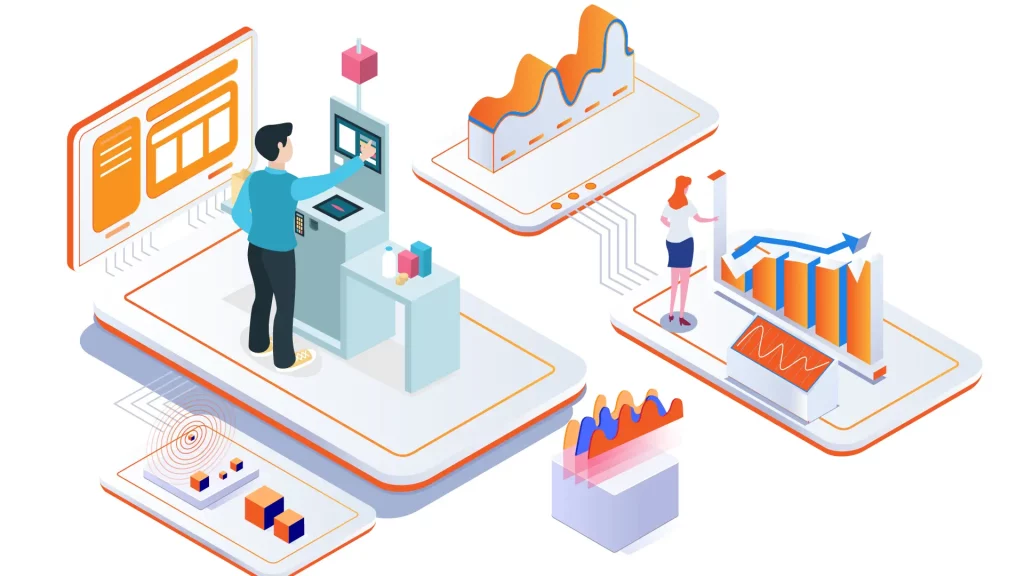
Automation changes everything. With integrated digital systems, retailers can sync transactions across POS, e-commerce platforms, and payment gateways in real-time. Solutions such as E-Startups Kenya’s automated POS integrations link directly to M-Pesa, Airtel Money, and bank APIs. This means every transaction is automatically recorded, verified, and reconciled without manual input.
Automated reconciliation eliminates duplication errors and instantly flags discrepancies for review. For example, when a sale is made through M-Pesa, the system automatically updates both the accounting software and the sales dashboard. Managers can view accurate, up-to-date sales reports anytime without waiting for end-of-day summaries.
Beyond accuracy, automation brings speed and visibility. Retailers can track performance across multiple branches from a single dashboard. Financial teams no longer need to juggle between Excel sheets or paper statements. Instead, all data is stored securely in the cloud, accessible from anywhere. This empowers decision-makers to respond faster to sales trends and inventory needs.
Why Partner with E-Startups Kenya
E-Startups Kenya is at the forefront of helping retailers modernize operations through smart, locally relevant technology. The company specializes in POS and payment integration systems that align with how Kenyan businesses operate. Whether your business handles daily M-Pesa transactions, cross-border payments, or card sales, E-Startups Kenya provides customized software that automates reconciliation while maintaining accuracy and security.
The team also offers additional solutions such as ecommerce website development, SEO and digital marketing, and CRM platforms that help retailers connect better with customers. Businesses working with E-Startups Kenya gain not just technology but a long-term partner committed to growth, efficiency, and sustainability.
For enterprises expanding into regional markets, E-Startups Kenya also integrates mobile-first solutions that support multi-currency and multilingual capabilities across Africa. This ensures consistent financial reporting and a unified view of performance, whether a store is in Nairobi, Kampala, or Dar es Salaam.

Frequently Asked Questions
What is manual sales reconciliation?
It is the process of manually matching sales records with payment data from systems such as POS terminals, M-Pesa, and bank accounts to ensure all figures align.
Why is manual reconciliation inefficient?
Because it is time-consuming, error-prone, and unable to keep up with the high transaction volumes in modern retail environments.
How can automation help Kenyan retailers?
Automation syncs data across systems in real time, eliminates manual errors, and provides faster, more accurate financial reports.
Is automation affordable for small businesses?
Yes. E-Startups Kenya offers scalable solutions suitable for SMEs, ensuring even small retailers can enjoy the benefits of automation.
What makes E-Startups Kenya different?
The company focuses on local business needs, integrating popular payment methods like M-Pesa, Airtel Money, and bank APIs, while ensuring compliance and data protection.
Conclusion and Call to Action
Manual sales reconciliation may seem manageable at first, but as your business grows, it becomes a major obstacle to efficiency and profitability. Every minute wasted balancing figures manually is time lost serving customers or planning expansion. With automated solutions from E-Startups Kenya, retailers can modernize their systems, reduce errors, and gain real-time insights into business performance.
If your retail business still relies on manual reconciliation, now is the time to evolve. Contact E-Startups Kenya today to explore automation tools that fit your operations, streamline your payment systems, and unlock the next level of retail efficiency.

