













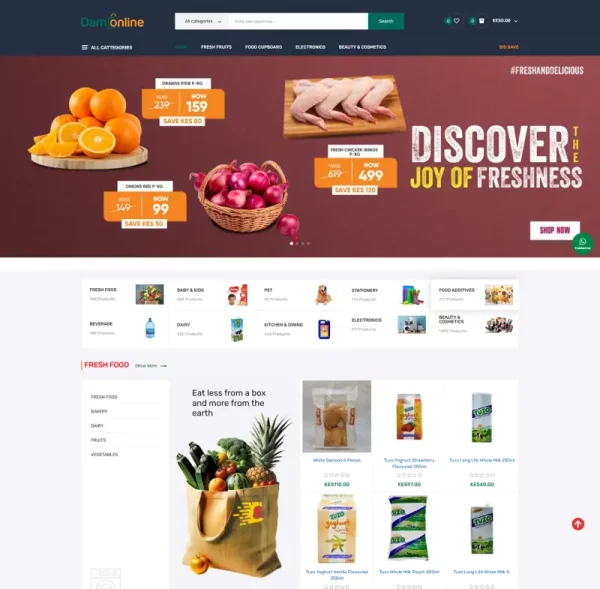



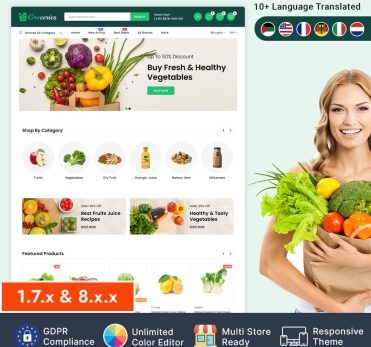




More Kenyan businesses are shifting from traditional offline supply deals to digital platforms where companies can buy and sell directly. This shift has created a need for strong B2B marketplaces that connect suppliers, wholesalers, manufacturers and retailers in one trusted system. A well built B2B marketplace simplifies sourcing, improves pricing transparency and increases sales for both small and large companies.
Why B2B Marketplaces Matter for African Businesses
The African supply chain is filled with challenges such as fragmented markets, limited information flow, delayed deliveries and inconsistent pricing. Many businesses rely on phone calls, brokers or outdated systems to manage procurement which slows growth.
A modern B2B marketplace gives companies a structured space where they can discover sellers, compare prices, place bulk orders and track deliveries. This transparency boosts trust which is especially important in markets where businesses often worry about fraud, unreliable suppliers or unpredictable stock availability.
In Kenya where sectors like retail, construction, agriculture and manufacturing are expanding quickly, a digital marketplace can help companies move faster, negotiate fairly and reach more customers across counties and regions.
Core Tools Behind a Strong B2B Marketplace
A professional B2B platform uses several technologies working together. A central catalog system stores detailed product information and allows suppliers to update stock levels instantly. A secure payment layer supports bulk payments, deposits, credit terms and mobile money settlement through M Pesa and Airtel Money.
A customer management system helps track orders, repeat clients and company accounts. Delivery and logistics integrations allow buyers to see shipping costs, timelines and order progress. Data dashboards provide sales insights, demand forecasts and pricing trends to help businesses make smarter decisions.
These tools create a single environment where trade is fast, transparent and predictable.
Use Cases in Kenya and Africa
Many sectors across Kenya benefit from B2B marketplace platforms. Retailers can source goods from wholesalers without traveling to physical markets. Agribusinesses can link farmers with food processors and supermarkets. Hardware and construction companies can order bulk items with clear pricing and verified suppliers.
Pharmacy chains can centralize sourcing from licensed distributors to avoid counterfeit products. Restaurants and hotels can streamline their weekly supplies through trusted vendors. Manufacturers can reach more distributors across counties without setting up multiple physical outlets.
For cross border trade, Kenyan sellers can display their products to buyers in Uganda, Tanzania, Rwanda and other African countries which expands market reach.
How E Startups Kenya Supports B2B Marketplace Development
E Startups Kenya helps businesses build complete B2B marketplace systems designed for Kenyan and African conditions. We create platforms that support mobile first usage, bulk ordering, digital invoicing and real time stock updates. Our systems integrate M Pesa, Airtel Money, bank cards and cross border payment gateways to support regional trade.
We also connect marketplaces with CRM software, delivery management tools, ERP systems and analytics dashboards for complete operational control. Our team builds custom supplier portals, buyer accounts, negotiation features, contract management tools and automated workflows powered by AI.
For marketplaces focusing on agriculture, logistics or manufacturing, we add smart data tools that predict demand, analyze price movements and help businesses make informed decisions.
FAQs
Do B2B marketplaces work for small Kenyan businesses
Yes. Even small shops can source products more easily and reach new buyers without big budgets.
Can a B2B marketplace support M Pesa payments
Yes. We integrate M Pesa, Airtel Money and bank settlements for smooth financial operations.
Is it possible to manage suppliers and contracts digitally
Yes. We create supplier dashboards and automated contract workflows.
Can a marketplace help reduce fraud
Yes. Verified profiles, clear catalog data and secure payments improve trust and reduce risk.
Conclusion
A well built B2B marketplace can transform how businesses in Kenya and Africa trade. It increases trust, makes sourcing faster and opens opportunities beyond local markets. Companies that embrace digital platforms position themselves for long term growth.
Call to Action
Contact E Startups Kenya today to build your B2B marketplace and empower your suppliers, distributors and customers through a modern digital trading platform.

