















Retail in Kenya is changing faster than ever. Customers are buying across multiple channels, competitors are adopting digital tools, and margins are getting tighter. In this environment, retailers can no longer rely on guesswork or manual reports. They need clear, real time visibility into how their businesses are performing. This is where business intelligence tools become essential.
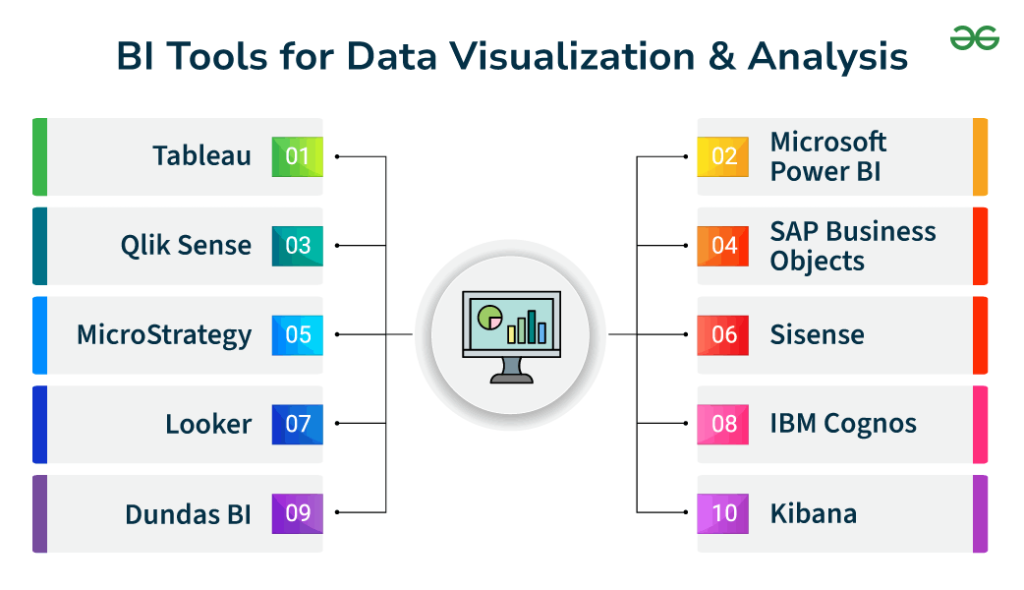
Business intelligence, often called BI, turns raw data into useful insights. Instead of relying on scattered spreadsheets or late reports from branches, retailers can access live dashboards showing what is happening in the business at any moment. It is the difference between reacting blindly and making informed decisions with confidence.
The Rising Importance of Data in Kenyan Retail
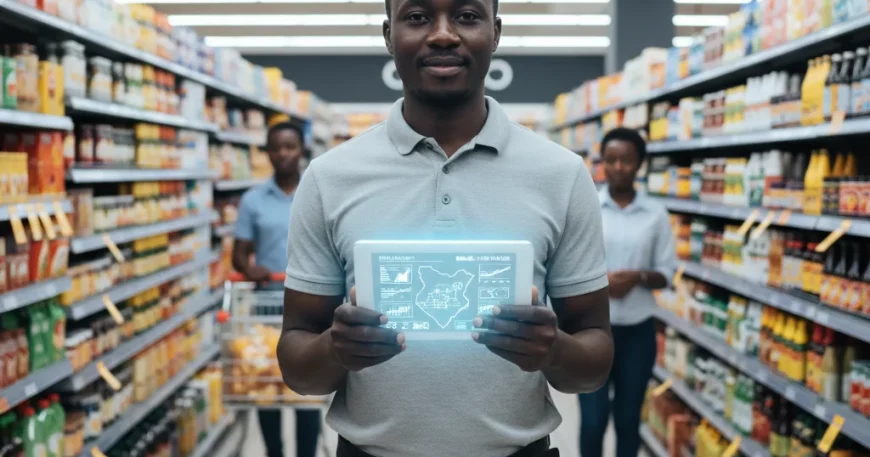
Modern retail produces more data than ever before. POS systems, loyalty programs, ecommerce websites, social media channels, mobile money transactions, and branch operations all generate information every day. Without BI tools, this data remains scattered and unused.
Kenyan retailers are also dealing with changing customer behaviour. Shoppers are moving between physical stores, WhatsApp orders, Instagram shopping, and online checkouts. Retailers need tools that capture and interpret these trends to understand buying patterns.
Competition has increased as well. From supermarkets and electronics shops to fashion boutiques and agrovet stores, every retailer now competes with both online and offline businesses. Those who make decisions based on solid insights will always stay ahead.
BI tools help retailers monitor performance in real time. They can see which branches are performing well, which products are slowing down, which days record the highest sales, and which promotions attract loyal customers. This clarity is what separates successful retailers from those who struggle to scale.
What Business Intelligence Offers Retailers
Business intelligence tools provide visibility and control. With BI, retailers can track stock movement, sales trends, product performance, customer behaviour, and cash flow across all branches. They can identify which items sell fastest in Nairobi, which products are losing demand in Nakuru, or which suppliers cause frequent delays.
Retailers can also monitor their profit margins with accuracy. They can compare day to day performance and identify hidden losses caused by poor handling, stock theft, or expired goods. Instead of waiting for end month reports, they can see issues as soon as they occur.
BI tools simplify decision making. Managers can rely on actual numbers rather than assumptions when planning procurement, staffing, pricing, or promotions. Branch supervisors and regional managers benefit from automated reports that make operations smoother.
Customer insights are another major benefit. BI tools reveal shopping habits, spending cycles, and customer preferences. This information helps retailers design better loyalty programs, personalized campaigns, and targeted offers that encourage repeat business.

How BI Transforms Real Retail Scenarios in Kenya
A supermarket in Nairobi uses BI tools to track hourly sales performance and stock movement. They discover that certain breakfast items peak early in the month, while others perform best during weekends. This helps them plan stocking cycles and avoid dead stock.
A fashion retailer in Mombasa analyzes data across branches and sees that specific clothing lines move faster in urban branches than in smaller towns. They adjust distribution and increase profitability.
A hardware store in Kisumu identifies that one branch consistently records lower sales during specific hours. With BI reports, they uncover staff inefficiencies and fix the issue quickly.
Electronics shops use BI to monitor warranty claims and identify products with frequent issues. Agrovet shops use BI to understand seasonal trends and predict demand for fertilizer or animal feed.
These insights are difficult or impossible to gather manually. BI tools speed up the process and provide clarity that drives action.
Why E Startups Kenya Leads in BI Solutions for Retail
E Startups Kenya helps retailers adopt business intelligence tools tailored to local market needs. We integrate data from POS systems, ecommerce platforms, social commerce, loyalty programs, accounting tools, and mobile money transactions to create unified dashboards.
Our BI system allows retailers to track sales, stock, customer behaviour, branch performance, and cash flow in real time. Managers can access reports from anywhere, whether they are in the office or on the move.
We support retailers with predictive analytics that help them forecast demand, reduce losses, and improve stocking accuracy. Our solutions also connect directly with M Pesa, Airtel Money, card payments, and digital receipts to give businesses a complete picture of their transactions.
We help both small and large retailers implement BI tools without the complexity of enterprise systems. Training, onboarding, and support are included, ensuring retailers see value immediately.
By partnering with E Startups Kenya, retailers gain the confidence to make decisions grounded in data rather than guesswork. They become more competitive, more efficient, and better prepared for growth.
FAQs
What are business intelligence tools in retail?
These are digital tools that help retailers analyze their sales, stock, customer data, and branch performance for better decision making.
Are BI tools expensive for small retailers?
No. E Startups Kenya offers affordable cloud based BI tools suitable even for single branch shops.
Can BI tools integrate with POS and ecommerce systems?
Yes. Our solutions connect seamlessly with POS, mobile money, ecommerce platforms, and inventory systems.
Do BI tools help reduce losses?
Yes. They highlight stock issues, slow moving items, theft patterns, and inefficiencies that cost retailers money.
Do I need technical skills to use BI tools?
No. We provide simple dashboards and full training so any shop manager can use them easily.
Conclusion
Data is becoming the most valuable asset in retail. Kenyan retailers who rely on guesswork will struggle to compete in a fast evolving market. Business intelligence tools offer the clarity needed to make smart decisions, optimize performance, and improve customer experience.
Retailers who embrace BI today position themselves for long term success. They gain control, visibility, and the power to act before problems grow.
E Startups Kenya is ready to help you adopt these tools and unlock the full potential of your retail business. Make decisions with confidence and transform your operations with modern, data driven solutions.

