




















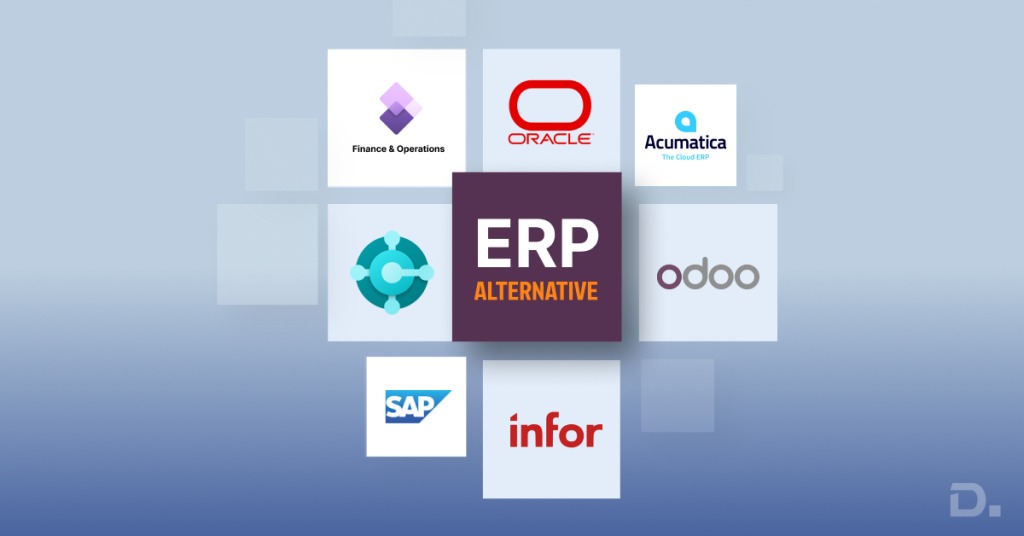
Many retailers in Kenya believe that adopting an ERP system is the only way to manage growth, streamline operations, and stay competitive. Yet when they start exploring the market, they quickly realize that full scale ERP systems can be costly. Licensing fees, setup costs, training, and long term maintenance can push the budget beyond what small and mid sized retailers can manage.
This has created a common question in the retail sector. Is ERP really necessary? And if it is out of reach, what affordable alternatives can Kenyan retailers use to achieve similar benefits without stretching their finances?
The truth is that not every retailer needs a full enterprise resource planning system. What they truly need is integration, visibility, automation, and reliable data for decision making. Today there are cloud based tools that deliver these advantages at a fraction of the cost.

Why ERPs Feel Expensive for Kenyan Retailers
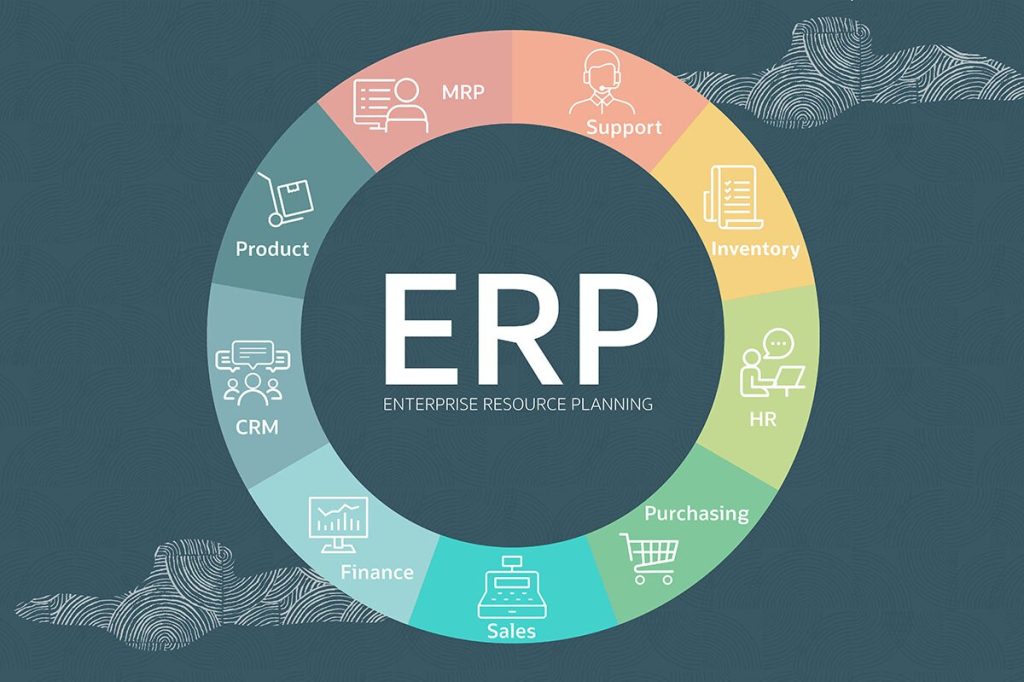
Traditional ERP systems were built for large corporations. They come with complex modules covering finance, procurement, warehousing, HR, production, logistics, compliance, and more. Retailers in Kenya often do not need this entire stack.
Many Kenyan retailers operate with multiple branches, busy sales environments, mobile money payments, and mixed inventory. They need solutions tailored to these challenges rather than a heavy enterprise framework.
Costs also increase due to hosting, dedicated servers, customization, long installation timelines, and the need for staff training. When local businesses calculate these expenses, they feel the system might take years before delivering a return on investment.
Yet the core problem is not the cost itself but the mismatch between what ERPs offer and what most retailers truly need.
The Real Need Behind ERP Adoption in Retail
Every retailer wants order. They want accurate stock levels, reduced losses, cleaner financial records, faster customer service, and a clear picture of how the business is performing.
What they really need is a unified system that connects the POS, inventory, suppliers, branches, ecommerce platforms, mobile payment records, and customer data.
This makes business operations predictable. It reduces manual work. It eliminates confusion between branches. It gives management visibility and helps them avoid surprises.
A full ERP can achieve this, but so can modern cloud based retail systems designed with affordability in mind.
Affordable Cloud Alternatives Designed for Kenyan Retail
Cloud systems have changed the retail landscape. Instead of buying expensive software licenses or servers, retailers can now subscribe to focused solutions that solve real pain points without unnecessary complexity.
Cloud based retail management platforms provide unified dashboards that link sales, inventory, procurement, accounting, ecommerce channels, and customer data. They are lighter, more flexible, and accessible on any device.
A retailer in Nairobi can check daily sales from all branches instantly. A hardware shop in Nakuru can track supplier deliveries and transfer stock between branches. A fashion store can sync online and in store inventory in real time.
These solutions bring ERP like functionality but in a simplified, cost friendly manner that supports the realities of African retail.
Clarity is another strength. While ERPs come with modules that retailers never use, cloud solutions keep only what matters. This makes training easy and reduces operational friction.
Real World Results from Affordable Retail Technology
Across Kenya, businesses that shift to cloud retail solutions often experience immediate improvements.
A beauty shop in Westlands reduced stock losses simply because managers could now track inventory movement in real time. A supermarket in Eldoret improved profitability after discovering that certain products were performing poorly across specific branches. They adjusted their buying strategy and gained better margins within weeks.
Electronics stores benefit from better warranty tracking while agrovet shops gain visibility on seasonal product performance. Clothing boutiques see improved customer loyalty because data driven insights help them recommend the right products.
These are practical results that do not require the heavy investment associated with traditional ERPs.
Why E Startups Kenya Provides the Best Alternative
E Startups Kenya helps retailers adopt cloud solutions that deliver ERP level efficiency at a manageable cost. Our systems integrate POS, ecommerce, mobile payments, CRM, loyalty programs, accounting tools, supplier management, and AI powered insights.
We work with retailers to understand their daily operations and recommend systems that fit their size, budget, and growth plans. Whether it is connecting multiple branches, automating reports, tracking cash flow, or improving customer engagement, our solutions are built for simplicity and long term sustainability.
We also offer localized support, staff training, cloud hosting, security protection, and customized integrations such as M Pesa, bank payments, WhatsApp commerce, or social selling features. This ensures retailers operate seamlessly without worrying about technical complexities.
With E Startups Kenya, businesses do not need expensive ERP systems to run professionally. They only need smart, focused tools that solve real challenges.
FAQs
Do all retail businesses need an ERP system?
No. Many Kenyan retailers can operate efficiently with cloud based retail systems that provide the same core benefits at a lower cost.
Are cloud alternatives secure?
Yes. Modern cloud systems offer bank grade encryption, regular backups, and secure access controls.
Can small shops use these solutions?
Absolutely. Even single branch shops benefit from automated stock tracking, POS integration, and customer insights.
Do cloud tools work for multi branch retailers?
Yes. Cloud systems sync all branches in real time, offering full visibility and control.
How much do these alternatives cost compared to ERP?
They cost significantly less and have predictable monthly or yearly subscriptions rather than heavy upfront fees.
Conclusion
ERP systems can be helpful, but they are not the only path to organized and efficient retail operations. Kenyan retailers now have access to modern, cloud based alternatives that provide the power of integration, automation, and real time visibility without overwhelming costs.
Businesses that embrace these tools gain improved performance, better decision making, and stronger customer experiences.
Partner with E Startups Kenya to adopt smart retail tools that match your needs and budget. Transform your operations with systems built for the future of Kenyan retail.

